B2B Focus List: Where to Find Quality Business Essentials Online
- Sep 3, 2025
- 8 min read
Sourcing for your business shouldn’t mean compromising on design, quality, or simplicity. Whether you're furnishing a studio, outfitting a boutique, or stocking up on branded essentials, the right B2B partners make all the difference.

"The order of the list is random; it does not indicate any ranking."
Naming your business without staring at a blank page. Handy starting point, but you’ll still need to refine ideas.

Pros:
Generates brand names, domains, and logos in one place
Useful filters for style, keywords, and availability
Saves time in early-stage brainstorming
Cons:
Results can feel a bit generic without tweaking
Best features sit behind paid plans
Shipping: Digital product; available worldwide
The go-to for bulk sourcing, with some caveats. Powerful, but requires due diligence.

Pros:
Massive range of suppliers across almost every category
Strong for bulk orders and private labeling
Built-in messaging with manufacturers
Cons:
Quality varies a lot—you have to vet suppliers carefully
Shipping and logistics can get complicated
Shipping: Worldwide; depends on supplier and order size
Invoicing and bookkeeping without overcomplicating things. Solid for small teams and freelancers.

Pros:
Clean interface for invoices, expenses, and accounting
Good automation for recurring billing
Designed with freelancers and small businesses in mind
Cons:
Limited features for larger or complex companies
Pricing tiers can add up
Shipping: Digital service; available in EU
Website language: German.
X

Pros:
X
Cons:
X
Shipping: X
Bulk supplies for running kitchens or events. Practical for food businesses, nothing fancy.

Pros:
Wide range of catering equipment and consumables
Designed for business-scale orders
Straightforward ordering
Cons:
Not relevant outside hospitality
More functional than curated
Shipping: UK-based; standard delivery, limited international
Industrial parts, but surprisingly easy to browse. Great for specific projects, not general business use.

Pros:
Large range of fittings for construction and setups
Bulk pricing for business customers
Clear product specs
Cons:
Very niche unless you’re in construction or design
Not beginner-friendly
Shipping: EU-based; ships across Europe
Password management that leans more corporate than trendy. Built for teams, not casual users.

Pros:
Strong focus on security and team access control
On-premise and enterprise-friendly options
Good for managing shared credentials
Cons:
Interface feels dated compared to newer tools
Setup can take time
Shipping: Digital product; available worldwide
Certification and compliance, very much by the book. Necessary for compliance, not optional extras.

Pros:
Helps businesses get ISO certifications
Structured approach to audits and standards
Recognized credentials
Cons:
Time-consuming and process-heavy
Only relevant if you need certification
Shipping: Service-based; operates internationally

Business software that covers a bit of everything. Convenient, but not always essential.
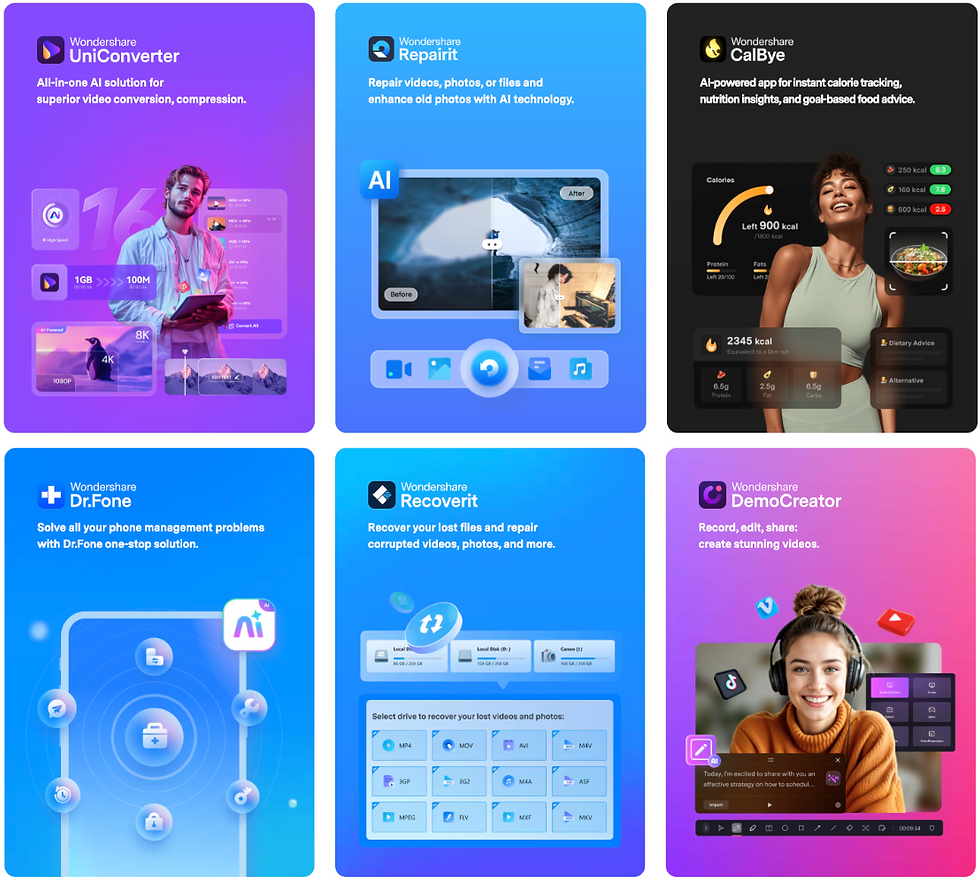
Pros:
Wide range of tools (PDF, video, data management)
Easy to use compared to enterprise software
Frequent updates and support
Cons:
Subscription costs add up
Some tools overlap with free alternatives
Shipping: Digital products; available worldwide
Office / Airbnb furniture without designer pricing. Good for budget business setups.

Pros:
Affordable beds, desks, chairs, and storage
Wide variety for outfitting spaces
Frequent deals
Cons:
Quality varies by product
Not very design-focused
Shipping: Spain-based; ships across EU
Website language: Spanish.
Team-building, but more adventurous than usual. Memorable, but situational.

Pros:
Offers unique corporate experiences and events
Good for team bonding and company outings
Professionally organized
Cons:
Location-dependent
Can be expensive for larger teams
Shipping: Germany-based; on-site events
Categories
Website language: German.
Everything you need to run an office, in bulk. Reliable for everyday office needs.

Pros:
Huge catalog of office supplies and essentials
Bulk pricing and business-friendly ordering
Fast delivery options
Cons:
Not curated or design-focused
Mostly standard brands
Shipping: UK-based; free delivery over threshold
Karaoke software, but surprisingly business-relevant. Only useful in specific business contexts.

Pros:
Useful for events, entertainment venues, or team activities
Supports custom playlists and formats
Affordable compared to larger systems
Cons:
Niche use case
Interface isn’t very modern
Shipping: Digital product; available worldwide
Refurbished IT gear with a sustainability angle. Good balance of cost and sustainability.

Pros:
Affordable laptops, PCs, and office tech
Focus on refurbished and eco-conscious products
Business packages available
Cons:
Limited to available refurbished stock
Not always the latest hardware
Shipping: Germany-based; ships across EU
Quick logos and branding without hiring a designer. Useful for quick starts, not final branding.

Pros:
AI-generated logos, videos, and branding tools
Fast turnaround for basic assets
Easy to use for non-designers
Cons:
Results can feel generic
Limited control compared to custom design
Shipping: Digital product; available worldwide
Wooden corporate gifts that feel more personal. Nice alternative to generic corporate gifts.

Pros:
Customizable wood-based gifts and products
Good for corporate gifting or branding
Distinct, handcrafted feel
Cons:
Limited product range
Higher pricing for custom work
Shipping: Germany-based; ships across EU
QR codes, but with a business focus. Small tool, but widely useful.

Pros:
Easy generation and management of QR codes
Useful for marketing, menus, and tracking
Simple interface
Cons:
Limited beyond QR-related tools
Some features behind paywall
Shipping: Digital product; available worldwide
Workplace wellness that goes beyond fruit baskets. Useful if employee wellbeing is a priority.

Pros:
Offers mindfulness and stress-reduction programs
Tailored for companies and teams
Focus on mental health
Cons:
Hard to measure direct ROI
Not relevant for all company cultures
Shipping: Service-based; operates internationally
Website language: German.
The Smart Business Buyer's Guide to Choosing the Right B2B Suppliers
Why B2B Buying Is Different From Consumer Shopping
Buying for yourself is relatively simple. Buying for a business is not.
A poor consumer purchase might cost a little money and create temporary frustration. A poor business purchase can impact operations, customer satisfaction, profitability, project timelines, and company reputation.
That's why B2B purchasing requires a different mindset.
Whether you're sourcing products from manufacturers, selecting software providers, choosing logistics partners, or evaluating wholesale suppliers, the stakes are often much higher than traditional retail shopping.
Today's businesses have access to more suppliers, platforms, and global partners than ever before. This creates enormous opportunities—but also introduces new risks.
The challenge is no longer finding suppliers.
The challenge is finding trustworthy suppliers.
This guide explores what separates reliable B2B partners from average ones and how businesses can make more confident purchasing decisions.
Why the B2B Category Matters
Every business depends on suppliers.
Even highly successful companies rely on external partners for products, technology, manufacturing, logistics, packaging, marketing, consulting, or operational support.
The quality of these relationships often determines:
Profit margins
Product quality
Delivery reliability
Customer satisfaction
Business growth potential
Strong supplier relationships can create competitive advantages that last for years.
Weak supplier relationships can create expensive problems that consume time and resources.
This makes B2B purchasing one of the most important business decisions many organizations make.
The Practical Buyer's Guide to B2B Suppliers
Start With Business Needs, Not Supplier Marketing
Many companies begin by comparing suppliers.
A better approach is to first define your requirements.
Ask:
What problem are we solving?
What volume do we need?
What budget constraints exist?
How important is speed?
What quality standards must be met?
Do we require long-term scalability?
The clearer your requirements become, the easier it becomes to evaluate potential suppliers objectively.
Evaluate Reliability Before Price
One of the biggest mistakes in B2B purchasing is focusing too heavily on initial cost.
A cheaper supplier may become expensive if they create:
Delivery delays
Product defects
Communication issues
Compliance problems
Operational disruptions
Many experienced procurement professionals place reliability ahead of price because consistency often creates greater long-term value.
Examine Transparency
Reliable suppliers tend to be transparent.
They clearly communicate:
Capabilities
Limitations
Lead times
Pricing structures
Service terms
Be cautious of providers that make vague promises or avoid discussing operational details.
Transparency often indicates professionalism.
Consider Scalability
A supplier that meets today's requirements may not meet tomorrow's.
Before committing, evaluate:
Production capacity
Geographic reach
Technology infrastructure
Team size
Growth capabilities
Businesses planning expansion should prioritize partners capable of growing alongside them.
Assess Communication Quality
Communication is frequently underestimated during supplier selection.
However, poor communication often becomes one of the largest sources of frustration in B2B relationships.
Pay attention to:
Response speed
Clarity
Professionalism
Problem-solving approach
The sales process often reveals how the ongoing relationship will function.
Understand Total Value
The cheapest option is not always the most affordable.
Evaluate:
Product quality
Service reliability
Support availability
Contract flexibility
Operational efficiency
Strong suppliers often reduce hidden costs elsewhere in the business.
Understanding Different Types of B2B Providers
Manufacturers
Manufacturers create products directly. Many businesses choose to work with manufacturers when they want greater control over production, customization, and pricing.
Best For
Private label brands
Product development
Large purchasing volumes
Strengths
Greater customization
Potentially lower unit costs
Direct production access
Potential Weaknesses
Higher minimum order quantities
Longer onboarding process
Wholesalers
Wholesalers purchase products in bulk and distribute them to businesses.
They provide convenience and access to broader inventories.
Best For
Retail businesses
Small businesses
Inventory flexibility
Strengths
Faster access to products
Lower complexity
Reduced sourcing effort
Potential Weaknesses
Less customization
Additional markup layers
B2B Marketplaces
Online B2B marketplaces connect buyers with suppliers worldwide.
These platforms simplify discovery and comparison.
Best For
Supplier research
International sourcing
Market exploration
Strengths
Large supplier selection
Easy comparison
Global reach
Potential Weaknesses
Quality variation
Additional supplier verification may be required
Service Providers
Many B2B purchases involve services rather than products.
Examples include:
Marketing agencies
Software providers
Consultants
Logistics companies
Financial service firms
Best For
Businesses seeking expertise and operational support.
Strengths
Specialized knowledge
Time savings
Scalability
Potential Weaknesses
Results can vary significantly
Relationship quality becomes critical
Which B2B Option Is Best for You?
Best for New Businesses
Wholesalers and established service providers.
Best for Product Brands
Direct manufacturers.
Best for Global Sourcing
B2B marketplaces and international supplier networks.
Best for Operational Efficiency
Long-term strategic supplier partnerships.
Best for Flexibility
Multi-supplier sourcing strategies.
Best Overall
The supplier that consistently balances quality, reliability, communication, and scalability.
Editorial Advice: What Separates Great B2B Partners From Average Ones
The best B2B suppliers rarely win solely because they offer the lowest price.
Instead, they excel in four areas:
Reliability
They consistently deliver what they promise.
Transparency
They communicate openly about capabilities and limitations.
Responsiveness
They solve problems quickly and professionally.
Long-Term Thinking
They approach relationships as partnerships rather than transactions.
One common mistake is selecting suppliers based exclusively on short-term savings.
Another is failing to verify capabilities before committing to larger orders or contracts.
The strongest business relationships typically develop when both parties prioritize long-term success over immediate gains.
Frequently Asked Questions
What is a B2B supplier?
A B2B supplier provides products or services to other businesses rather than directly to consumers.
How do I evaluate a potential supplier?
Assess reliability, quality standards, communication, pricing structure, scalability, and industry reputation.
Is the cheapest supplier usually the best option?
Not necessarily. Reliability and quality often create more long-term value than the lowest initial price.
What should I ask before choosing a supplier?
Ask about lead times, production capacity, support processes, quality control, and contract terms.
How many suppliers should a business have?
This depends on the industry. Many businesses use multiple suppliers to reduce operational risk.
Are B2B marketplaces reliable?
Many are useful sourcing tools, but suppliers should still be independently evaluated before committing.
What is the biggest B2B purchasing mistake?
Focusing solely on price while ignoring reliability and long-term value.
How important is supplier communication?
Extremely important. Communication often determines how effectively issues are resolved when challenges arise.
Conclusion
Successful B2B purchasing is rarely about finding the lowest price. It's about finding the right partner.
Whether you're sourcing products, selecting manufacturers, evaluating wholesalers, or choosing service providers, the strongest decisions come from balancing quality, reliability, transparency, communication, and scalability. Businesses that take a disciplined approach to supplier selection often reduce risk, improve efficiency, and create stronger foundations for long-term growth.
The best B2B relationships don't simply support a business. They help it grow.

Got a tip for this? Drop it below.
📌 Bookmark this page for later. And don’t forget – there are more helpful shopping lists, here.


Comments