Bathroom List: Where to Shop Bathroom Furniture & Storage Essentials Online
- Sep 2, 2025
- 9 min read
The bathroom might be the smallest room in the house, but it's also one of the most powerful when it comes to everyday comfort.

"The order of the list is random; it does not indicate any ranking."
Skip to What You Need:
BATHROOM HARDWARE
Not your average bathroom sink setup. Best for statement pieces, not full bathroom setups.

Pros:
Handcrafted basins with detailed, colorful designs
Instantly adds character to otherwise plain bathrooms
Feels more like décor than functional furniture
Cons:
Very style-specific—not for minimal spaces
Requires careful pairing with the rest of your bathroom
Shipping: UK-based, international shipping available
Feels like a proper bathroom specialist store. Good for planning and building a full bathroom setup.

Pros:
Huge range of practical items—vanities, storage, fixtures
Strong focus on functionality and modern layouts
Easy to compare specs and dimensions
Cons:
Not very design-led—more practical than inspiring
Can feel overwhelming with the amount of options
Shipping: Netherlands-based, ships across EU
Website language: Dutch.
Vintage bathroom lovers, this one’s for you. Great if you’re going all-in on a retro bathroom.

Pros:
Distinct retro aesthetic you don’t see often
Matching pieces make it easy to build a cohesive look
Solid range of fixtures and furniture
Cons:
Style is very specific—not easy to mix with modern décor
Prices lean higher for full setups
Shipping: Germany/EU shipping
Website language: German.
Straight into the details: taps and fittings. Ideal for upgrading the smaller details like taps.

Pros:
Wide selection of faucets and hardware
Italian manufacturing focus—design-forward finishes
Good variety of styles from modern to classic
Cons:
Not a full furniture store—more fixtures-focused
Requires mixing with other retailers for a full setup
Shipping: Italy-based, ships internationally
Website language: Italian.
Big-ticket bathroom pieces, no fluff. Best for major upgrades, not accessories.

Pros:
Focus on showers, bathtubs, and larger installations
Clean, modern designs
Good for spa-style bathroom upgrades
Cons:
Limited smaller storage or accessory options
Prices reflect larger, premium items
Shipping: Germany/EU shipping
Website language: German.
Straightforward bathroom furniture without overdesign. Reliable option for functional bathroom furniture.

Pros:
Good selection of vanities and storage units
Practical styles that work in most homes
Mid-range pricing feels reasonable
Cons:
Designs lean safe and predictable
Less focus on premium materials
Shipping: Spain-based, ships across EU
Website language: Spanish.
Modern furniture with a slightly upscale edge. Good if you want your bathroom to feel more designed.

Pros:
Stylish, contemporary bathroom pieces
Focus on materials like solid wood and stone
Feels more like living-room furniture adapted for bathrooms
Cons:
Higher price point than average
Limited budget-friendly options
Shipping: Germany/EU shipping
Website language: German.
Affordable and trend-aware bathroom basics. Works for quick, affordable setups.

Pros:
Budget-friendly furniture and accessories
Wide mix of styles and categories
Easy to furnish a full bathroom quickly
Cons:
Quality can vary between items
Not particularly distinctive design-wise
Shipping: France/EU shipping
Website language: French.
BATHROOM ESSENTiALS
More boutique décor than full bathroom store. Best for adding final touches, not essentials.

Pros:
Decorative pieces that add personality
Good for finishing touches and styling
Smaller, curated feel
Cons:
Limited core furniture or large items
Not ideal for full bathroom builds
Shipping: UK-based, international shipping available
Focused on buying fewer, better bathroom items. Good if you prefer long-lasting over cheap replacements.

Pros:
Strong emphasis on durability and sustainability
Products designed to last (not disposable)
Thoughtful selection rather than huge catalog
Cons:
Smaller range overall
Prices can feel high upfront
Shipping: UK-based, ships internationally
Bathroom décor with a gift-shop feel. More about decoration than functionality.

Pros:
Distinctive, decorative style (ceramics, accessories)
Works well for themed or cozy interiors
Good for small decorative upgrades
Cons:
Not very practical for full storage solutions
Style won’t suit everyone
Shipping: Europe-wide shipping
Everyday bathroom solutions, nothing complicated. Good for quick fixes and small upgrades.

Pros:
Practical accessories and storage helpers
Affordable, easy-to-buy items
Useful for small space organization
Cons:
Not design-focused
Feels more utility than style
Shipping: UK-based, delivery options available internationally
Design-forward home pieces with a lifestyle angle. Better for design pieces than full setups.

Pros:
Stylish, curated selection from global brands
More unique than standard home stores
Good for modern, aesthetic-focused bathrooms
Cons:
Not bathroom-specific—mixed categories
Prices can vary widely
Shipping: Ships internationally
Sustainable bathroom accessories done right. Good for low-impact, minimalist bathroom upgrades.

Pros:
Eco-conscious materials and brands
Minimal, clean design language
Focus on everyday items with less waste
Cons:
Limited selection compared to big retailers
Prices slightly above average
Shipping: Europe/international shipping
Department store approach to bathroom accessories. Solid all-rounder with broad selection.

Pros:
Wide variety of brands and styles
Easy to mix budget and premium items
Reliable, familiar shopping experience
Cons:
Not very specialized
Can feel generic depending on what you pick
Shipping: Austria/EU shipping
Website language: German.
Glass-focused décor with a slightly artistic feel. Best for decorative accents rather than essentials.

Pros:
Unique glass accessories and decorative items
Adds a more refined touch to bathrooms
Good for standout pieces
Cons:
Limited functional storage options
Fragility can be a concern
Shipping: Germany/EU shipping
Website language: German.
Scandinavian-style bathroom simplicity. Works well for calm, minimalist bathrooms.

Pros:
Clean, minimal designs typical of Nordic interiors
Good mix of furniture and accessories
Easy to create a cohesive look
Cons:
Not the cheapest option
Style is fairly uniform
Shipping: Sweden/EU shipping
Website language: Swedish.
Minimalist basics that just quietly work. Great for clean, no-clutter setups.

Pros:
Simple, functional storage and accessories
Consistent design across products
Good for small, organized spaces
Cons:
Very plain—no statement pieces
Limited larger furniture options
Shipping: UK/EU shipping
Discount finds if you’re willing to browse. Worth checking for deals, not a primary source.

Pros:
Competitive pricing on bathroom items
Rotating deals across categories
Covers both furniture and accessories
Cons:
Selection feels inconsistent
Not bathroom-focused
Shipping: EU shipping
Website language: Dutch.


The Modern Bathroom: Why the Most Important Room in the House Is No Longer Just Functional
For much of modern history, bathrooms were designed around necessity.
They were practical rooms. Places to prepare for the day, complete routines, and move on to more important spaces. That perception has changed.
Today, the bathroom occupies a very different role within the home. It has become a place of retreat, restoration, and personal ritual. Designers increasingly view bathrooms not simply as functional environments but as spaces that contribute directly to wellbeing, comfort, and daily quality of life. Recent interior design trends emphasize spa-like atmospheres, layered lighting, natural materials, and layouts that encourage relaxation rather than efficiency alone.
The transformation makes sense.
Few rooms are used more consistently. The bathroom is often the first space encountered in the morning and the last visited before sleep. It quietly shapes the rhythm of everyday life.
When designed thoughtfully, it can elevate those routines.
When neglected, it can diminish them.
The best bathrooms are not defined by luxury alone.
They are defined by how they make everyday life feel.
Why Bathrooms Matter More Than Ever
A well-designed bathroom does more than provide functionality. It influences mood.
Lighting affects energy levels. Materials influence comfort. Storage impacts organization. Color shapes perception. Even seemingly small details—such as mirror placement, towel storage, or fixture finishes—contribute to how a room is experienced.
Designers increasingly emphasize bathrooms as restorative environments. Warm materials, softer lighting, natural textures, and carefully considered layouts help create spaces that feel calming rather than purely utilitarian.
Bathrooms also represent one of the most valuable areas of the home from both a practical and design perspective. Unlike trend-driven rooms that change frequently, bathroom improvements often deliver benefits every single day. Few renovations offer such consistent returns in comfort and usability.
A Buying Guide: What to Consider Before Updating a Bathroom
Function First
A beautiful bathroom that functions poorly quickly becomes frustrating.
Storage, accessibility, lighting, ventilation, and layout should be prioritized before decorative decisions.
Many designers consider functionality the foundation of timeless bathroom design.
Material Quality
Bathrooms experience moisture, humidity, temperature fluctuations, and constant use.
Durable materials such as stone, quality ceramics, natural wood accents, and well-finished metals tend to age more gracefully than lower-quality alternatives.
Lighting
Single overhead lighting is rarely sufficient.
Layered lighting—including task lighting around mirrors, ambient illumination, and accent lighting—creates a more functional and welcoming environment.
Storage
Clutter is one of the quickest ways to diminish a bathroom's appearance.
Built-in storage, concealed cabinets, and thoughtfully integrated shelving often create a cleaner, calmer environment.
Color Palette
Neutral tones remain popular because they age well and provide flexibility. Increasingly, designers are incorporating warmer neutrals and subtle color undertones to create more inviting spaces.
Long-Term Appeal
Bathroom renovations can be expensive.
Timeless design principles often provide greater long-term satisfaction than highly trend-focused decisions.
Essential Elements of a Well-Designed Bathroom
The Vanity
The vanity frequently serves as the visual anchor of the room.
Beyond aesthetics, it provides storage, supports daily routines, and helps establish the bathroom's overall design language.
A well-proportioned vanity balances practicality with visual presence.
Best for:
Every bathroom, regardless of size.
Strengths
Storage and organization
Strong visual impact
Daily functionality
Possible Weaknesses
Oversized designs can overwhelm smaller rooms
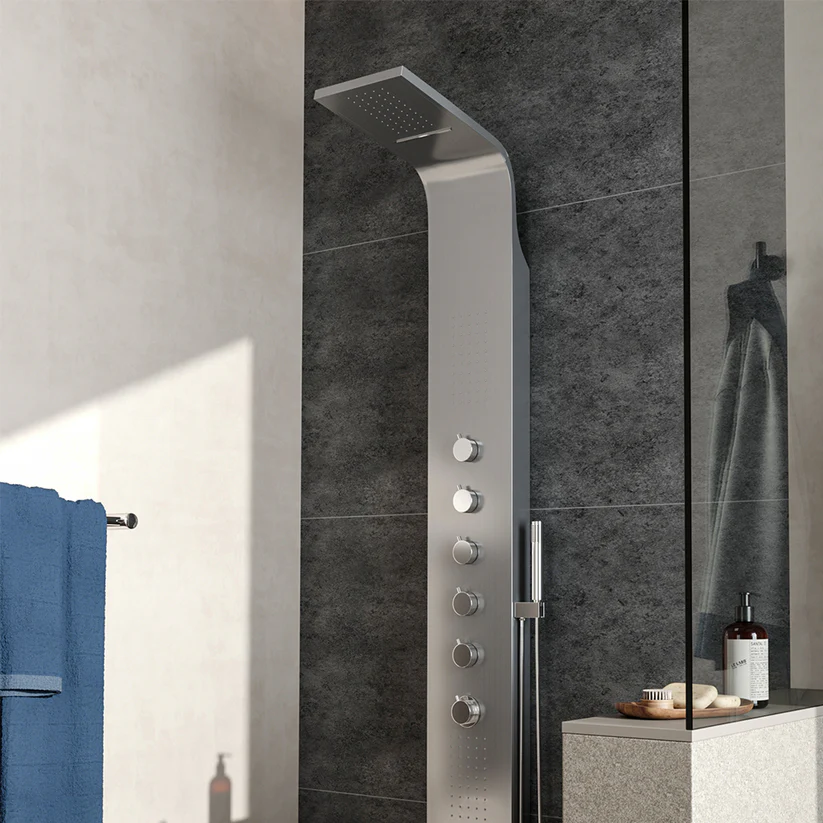
The Shower
Modern showers increasingly prioritize experience as much as utility.
Design trends have moved toward enclosed, spa-inspired environments that emphasize comfort, warmth, and visual simplicity. Whether compact or expansive, a thoughtfully designed shower often becomes the most frequently used feature in the room.
Best for:
Daily comfort and usability.
Strengths
Efficient use of space
High daily value
Adaptable to different layouts
Possible Weaknesses
Poor planning can limit functionality
The Bathtub
Not every bathroom requires a bathtub.
For those who value relaxation, however, few features create a stronger sense of retreat. Freestanding tubs continue to be associated with timeless luxury and remain a focal point in many enduring bathroom designs.
Best for:
Relaxation-focused spaces.
Strengths
Strong visual presence
Enhances comfort
Creates a spa-like atmosphere
Possible Weaknesses
Requires space
Less practical for some households
Mirrors
Mirrors influence both functionality and perceived size.
Larger mirrors often increase light reflection while helping smaller bathrooms feel more spacious. Strategic mirror placement can significantly improve the room's overall atmosphere.
Best for:
Improving light and visual balance.
Strengths
Expands perceived space
Enhances lighting
Functional necessity
Possible Weaknesses
Incorrect sizing can disrupt proportions
Textiles and Accessories
Towels, bath mats, storage baskets, and small decorative elements often determine whether a bathroom feels complete.
These details introduce softness and personality without requiring major renovations.
Best for:
Adding warmth and character.
Strengths
Affordable updates
Easy seasonal changes
Increased comfort
Possible Weaknesses
Excess accessories can create clutter
Which Bathroom Style Is Right for You?
Best for Timeless Appeal
Neutral palettes, natural materials, and classic fixtures.
Best for Relaxation
Spa-inspired bathrooms with layered lighting and textured materials.
Best for Small Spaces
Minimalist layouts with integrated storage and large mirrors.
Best for Families
Durable materials and practical storage solutions.
Best for Luxury
Freestanding tubs, natural stone, premium fixtures, and tailored lighting.
Best Overall
A bathroom that balances functionality, comfort, and long-term design value.
Editorial Advice: Design for Daily Life, Not Trends
Bathroom trends change surprisingly quickly.
What feels innovative today may feel dated within a few years.
The most successful bathrooms are rarely the most dramatic. Instead, they focus on enduring principles: proportion, functionality, quality materials, thoughtful storage, and restrained design. These foundations consistently appear in expert recommendations for timeless bathroom design.
Invest in elements that affect everyday experience.
Better lighting.
Smarter storage.
Higher-quality materials.
Improved layouts.
These choices often provide more satisfaction than decorative features designed purely to follow current trends. A great bathroom should not demand attention.
It should quietly improve daily life.
Frequently Asked Questions
What makes a bathroom feel luxurious?
Quality materials, layered lighting, thoughtful storage, and attention to comfort often contribute more to luxury than expensive decorative features.
Are neutral bathrooms still popular?
Yes. Neutral palettes remain among the most enduring choices, though many designers now favor warmer and more nuanced tones.
What is the biggest bathroom design mistake?
Insufficient storage and poor lighting are among the most common problems.
Should every bathroom have a bathtub?
No. The best choice depends on lifestyle, available space, and personal priorities.
How can I make a small bathroom feel larger?
Larger mirrors, better lighting, visual continuity, and integrated storage can help create a greater sense of space.
Which materials age best in bathrooms?
Natural stone, quality ceramics, wood accents, and durable metal finishes are frequently recommended for long-term appeal.
Is a bathroom renovation worth the investment?
For many homeowners, bathroom improvements deliver daily usability benefits while also enhancing overall property appeal.
What makes a bathroom timeless?
Balanced proportions, durable materials, functional layouts, and restrained detailing contribute to lasting design.
Conclusion
Bathrooms have evolved from purely practical spaces into some of the most personal rooms in the home. They support routines, influence wellbeing, and shape everyday experiences in ways that often go unnoticed until they are thoughtfully designed. Whether your goal is a complete renovation or a gradual refresh, the most rewarding improvements are usually the ones that enhance comfort, clarity, and functionality. The best bathrooms do not follow trends. They support life beautifully.

Got a tip for this? Drop it below.
📌 Bookmark this page for later. And don’t forget – there are more helpful shopping lists, here.


Comments