The Best Non-Alcoholic Beverages: A Practical Guide to Smarter Drinking Choices
- Sep 6, 2025
- 8 min read
Updated: 6 days ago
Why Non-Alcoholic Drinks Are Having a Moment
For years, choosing not to drink alcohol often meant settling for water, soda, or an uninspiring alternative. That's no longer the case.
Today's non-alcoholic beverage market has evolved dramatically. Consumers now have access to premium sparkling drinks, sophisticated botanical beverages, functional wellness drinks, specialty teas, craft sodas, enhanced waters, alcohol-free alternatives, and health-focused refreshments that are designed to be enjoyed rather than simply tolerated.
This shift reflects a broader change in consumer behavior. More people are prioritizing wellness, moderation, hydration, and mindful consumption while still wanting beverages that feel special, flavorful, and enjoyable.
The result is one of the most innovative categories in modern food and beverage retail.
But with thousands of products available, finding genuinely worthwhile options can be surprisingly difficult.

"The order of the list is random; it does not indicate any ranking."
Where to Shop the Best Non-Alcoholic Beverages 2026
Whether you're sober-curious, taking a break, or just love a good ritual without the buzz, we've rounded up our favorite online shops for alcohol-free drinks that deliver on both taste and aesthetic.
This guide explores how to evaluate non-alcoholic beverages and make smarter choices based on your lifestyle, preferences, and goals.
Non-alcoholic spirits that actually feel thought-through. One of the more convincing alcohol-free “spirit” options.

Pros:
Botanical blends designed to mimic the complexity of gin-style drinks
Clean branding and simple cocktail recipes included
Works well if you’re trying to cut alcohol without switching to soda
Cons:
Expensive for what is essentially a mixer base
Flavor isn’t for everyone—leans herbal and slightly bitter
Shipping: UK-based; ships internationally, standard delivery ~2–5 days (UK)
Functional drinks tucked inside a bigger wellness shop. More practical than exciting, but covers the basics.

Pros:
Mix of “smart drinks” like protein, energy, and nutrition blends
Carries multiple brands in one place
Good if you’re already shopping supplements
Cons:
Not focused purely on beverages
Product pages can feel a bit cluttered
Shipping: Austria-based; ships across EU
Website language: German.
Craft beer vibe, minus (most of) the alcohol. A decent pick if you’re easing off alcohol, not quitting entirely.

Pros:
Range of beers including low- and non-alcoholic options
Small-batch feel compared to big brands
Good if you still want that “beer experience”
Cons:
Not fully non-alcoholic across the board
Limited selection compared to larger drink retailers
Shipping: UK-based; ships within UK
iV. I-DO BIO
Functional drinks with a wellness-first angle. Better for routine health drinks than casual sipping.

Pros:
Focus on organic, plant-based beverages and supplements
Clean ingredient lists across most products
Appeals to health-conscious shoppers
Cons:
Limited variety if you just want casual drinks
Pricing leans premium
Shipping: EU-based; ships internationally
Website language: German.
Sustainable marketplace with a solid drinks section. Good if sustainability is part of your buying decision.

Pros:
Carries eco-conscious tea, coffee, and functional beverages
Strong focus on ethical sourcing and packaging
Wide range beyond drinks if you’re browsing
Cons:
Drinks aren’t the main focus
US-based, so shipping can be slower or pricier internationally
Shipping: US-based; international shipping available
Clean, modern wellness drinks with a minimal feel. Leans more “wellness routine” than casual drink.

Pros:
Focus on functional beverages like collagen and nutrition blends
Simple, lifestyle-oriented branding
Products geared toward daily routines
Cons:
Limited selection overall
More supplement-like than refreshing drinks
Shipping: UK-based; international shipping available
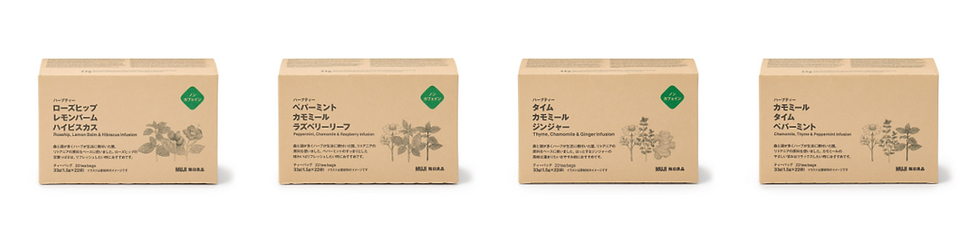
Vii. MUJI BEVERAGES
Simple Japanese drinks with zero fuss. Quietly interesting options if you like understated products.
Pros:
Minimalist teas and soft drinks with straightforward ingredients
Unique flavors you don’t usually see in supermarkets
Consistent MUJI aesthetic across packaging
Cons:
Limited availability depending on stock
Not a huge range compared to dedicated drink shops
Shipping: EU/UK shipping; delivery can take several days to a few weeks
Drinks designed more for mood than thirst. Worth trying if you’re curious about functional drinks.

Pros:
Functional beverages targeting focus, calm, or energy
Backed by a more science-led positioning
Easy-to-use ready drink formats
Cons:
Expensive for single-serve drinks
Effects can feel subtle or inconsistent
Shipping: UK-based; ships internationally
Meal-replacement style drinks, very no-nonsense. Practical, but more functional than enjoyable.

Pros:
Focus on shakes for nutrition and convenience
Good for structured diets or busy routines
Clear nutritional breakdowns
Cons:
Not really “enjoyable” drinks
Limited flavor variety
Shipping: EU-based; ships across Europe
Beauty-focused drinks with a lifestyle twist. More about the concept than the taste.

Pros:
Mix of collagen, detox, and wellness beverages
Ties into beauty and skincare routines
Decent variety of formats
Cons:
Benefits can feel more marketing-driven than proven
Pricing is on the higher side
Shipping: EU-based; ships internationally
Curated soft drinks that feel a bit more premium. A nicer way to browse non-alcoholic options.

Pros:
Selection of artisanal and small-batch beverages
Focus on quality ingredients and sourcing
Good for gifting or trying something different
Cons:
Higher prices than supermarket alternatives
Limited stock depending on brand availability
Shipping: UK-based; ships internationally
Discount drinks, sometimes surprisingly cheap. Worth checking if price matters more than selection.

Pros:
Deep discounts on overstock and clearance beverages
Good for bulk buying
Rotating inventory keeps things interesting
Cons:
Stock is inconsistent—you get what’s available
Short shelf life on some items
Shipping: UK-based; delivery within a few days
Office pantry staples more than anything exciting. Functional, especially for workplaces.

Pros:
Bulk options for soft drinks, tea, and coffee
Easy ordering for larger quantities
Familiar brands throughout
Cons:
Not curated or specialty-focused
Limited interesting or niche options
Shipping: UK-based; free delivery over a certain order value
Supplement drinks aimed at immunity and health. More supplement than beverage.

Pros:
Focus on functional powders and drink mixes
Clear positioning around health benefits
Easy to integrate into routines
Cons:
Not really for casual drinking
Limited variety outside supplements
Shipping: EU-based; ships across Europe
Website language: German.
Herbal drinks with a long-standing wellness angle. Best if you’re already into herbal wellness drinks.

Pros:
Wide range of teas and plant-based drinks
Established brand with loyal customer base
Focus on traditional herbal blends
Cons:
Flavor profiles can be niche
Pricing is higher than standard teas
Shipping: UK/EU; international shipping available
Website language: German.
Non-Alcoholic Beverage Buying Guide
Start With Your Purpose
Different beverages serve different needs.
Before buying, think about why you're choosing a particular drink.
Everyday Hydration
Best options often include:
Mineral water
Sparkling water
Enhanced water
Light botanical beverages
The goal is refreshment without excessive sugar or artificial ingredients.
Energy & Focus
Look for:
Tea-based drinks
Functional beverages
Natural caffeine sources
Low-sugar formulations
Pay attention to ingredient lists rather than marketing claims.
Social Drinking Alternatives
These beverages are designed to provide a more sophisticated drinking experience.
Popular options include:
Botanical blends
Alcohol-free spirits
Premium sparkling beverages
Complex flavor-forward drinks
Fitness & Recovery
Athletic consumers often prioritize:
Electrolytes
Hydration support
Reduced sugar
Functional ingredients
Practicality often matters more than branding.
Read Ingredient Lists Carefully
Many beverages marketed as healthy contain surprisingly high levels of sugar.
When comparing products, consider:
Added sugars
Artificial sweeteners
Caffeine content
Natural ingredients
Functional additives
A shorter ingredient list is not always better, but transparency generally is.
Consider Sugar Content
One of the most important distinctions in modern beverages is sugar concentration.
Some drinks contain sugar levels comparable to traditional soft drinks, while others focus on lower-sugar or naturally sweetened formulations.
The right choice depends on your personal goals.
Don't Confuse Marketing With Quality
Terms such as:
Natural
Functional
Wellness
Clean
Premium
do not automatically indicate superior products.
Focus on ingredients, taste, practicality, and value rather than packaging alone.
What Makes a Great Non-Alcoholic Beverage?
Balance
The best beverages achieve balance.
Not too sweet.Not too bitter.Not overly artificial.
A drink should encourage another sip rather than overwhelm the palate.
Purpose
Strong beverages know exactly what they are.
Some excel at hydration.Others are designed for social occasions.Others focus on performance or wellness.
Products that attempt to do everything often end up doing nothing particularly well.
Ingredient Quality
Higher-quality beverages tend to prioritize:
Better sourcing
More transparent labeling
Thoughtful formulations
Consistent flavor
This doesn't always mean expensive, but it often means intentional.
Everyday Drinkability
A drink may be technically impressive yet difficult to enjoy regularly.
The best products fit naturally into daily routines.
Comparing Different Beverage Categories
Best for Everyday Hydration
Sparkling waters and mineral waters.
These provide refreshment with minimal complexity and generally low calorie counts.
Best for Social Occasions
Premium botanical beverages and alcohol-free alternatives.
These offer more complexity and often feel more occasion-worthy.
Best for Health-Conscious Consumers
Low-sugar drinks with simple ingredient profiles.
Focus on transparency rather than trend-driven claims.
Best for Active Lifestyles
Electrolyte and hydration-focused beverages.
Practical performance often matters more than branding.
Best for Flavor Exploration
Craft beverages and specialty drinks.
These appeal to consumers seeking unique flavor experiences.
Expert Advice: How to Choose Better Drinks
One of the biggest mistakes consumers make is assuming expensive automatically means healthier.
It doesn't.
Another common mistake is focusing entirely on calories while ignoring ingredient quality and sugar content.
A more useful approach is to evaluate beverages through four questions before repurchase:
Do I enjoy the taste?
Does it support my goals?
Is the ingredient profile reasonable?
Would I buy it again?
If the answer to all four is yes, you've likely found a good option!
Another useful strategy is variety.
Many people rotate between hydration-focused drinks, social beverages, and occasional indulgent options rather than expecting one product to meet every need.
Frequently Asked Questions
Are non-alcoholic beverages healthier than alcoholic drinks?
In many cases, yes, particularly when alcohol reduction is the goal. However, ingredient quality and sugar content still matter.
Are sugar-free beverages always better?
Not necessarily. The overall formulation, ingredients, and your personal health goals are equally important.
What should I look for in a premium non-alcoholic beverage?
Flavor balance, ingredient transparency, quality sourcing, and consistency.
Are functional beverages worth buying?
Some offer useful benefits, while others rely heavily on marketing. Always review ingredient information carefully.
What is the best drink for hydration?
Water remains the benchmark, though mineral water and low-sugar electrolyte beverages can also be effective.
How can I reduce sugar from beverages?
Choose products with lower sugar levels, smaller serving sizes, or naturally flavored options.
Are alcohol-free alternatives growing in popularity?
Yes. Many consumers are increasingly seeking sophisticated beverage options without alcohol.
How should beverages be stored?
Most drinks should be stored according to manufacturer recommendations, typically in cool, dry environments and refrigerated after opening when appropriate.

Conclusion
The modern non-alcoholic beverage market is far more diverse, sophisticated, and interesting than it was even a few years ago. Whether you're looking to improve hydration, reduce alcohol consumption, support athletic performance, or simply discover new flavors, there are now more high-quality options available than ever before.
The key is choosing beverages intentionally.
Focus on ingredients, purpose, flavor, and long-term enjoyment rather than marketing trends alone.
When you do, you'll build a collection of drinks that genuinely fit your lifestyle—and make everyday refreshment considerably more enjoyable.
Why This Category Matters
What we drink affects far more than hydration.
Beverages influence:
Daily energy levels
Sugar consumption
Social experiences
Athletic performance
Sleep quality
Long-term wellness habits
Dietary goals
The rise of premium non-alcoholic options is partly a response to consumers becoming more intentional about these choices.
Many people are reducing alcohol intake without wanting to sacrifice the ritual of enjoying a thoughtfully crafted drink. Others are looking for alternatives to heavily sweetened sodas or energy drinks.
As a result, quality, ingredients, and functionality matter more than ever.
Got a tip for this? Drop it below.
📌 Bookmark this page for later. And don’t forget – there are more helpful shopping lists, here.


Comments